

01
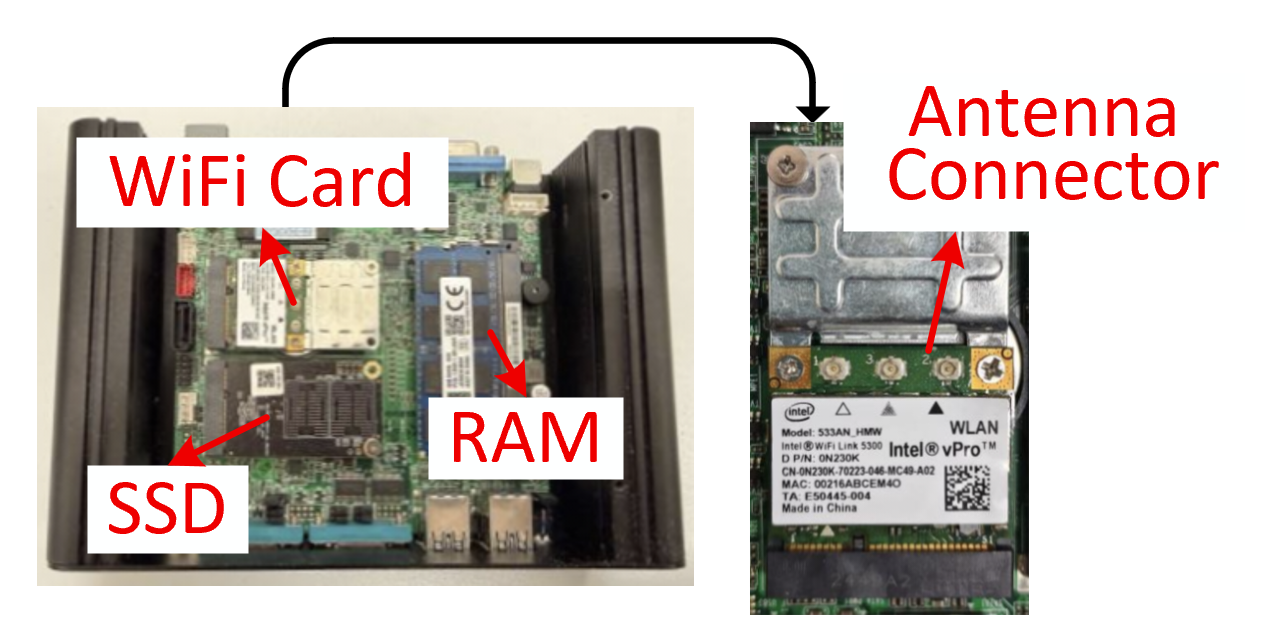
WiFi CSI Acquisition Platform
Uses Intel 5300 WiFi cards to capture subcarrier amplitude and phase data for analyzing fine-grained channel changes caused by human activity.
Multimodal Intelligent Communication and Sensing
Research on integrated sensing and communication (ISAC) in natural disaster scenarios and medical-engineering multimodal sensing.
Research Directions
Integrated sensing and communication (ISAC) in natural disaster scenarios and medical-engineering multimodal sensing.
Join Our Team
Explore integrated sensing and communication (ISAC) and multimodal sensing with us.
01 / About the Group
Exploring integrated sensing and communication (ISAC) and multimodal sensing‑fusion technologies for health monitoring and natural‑disaster perception‑aided rescue.
The MICS group is affiliated with the School of Computer Science, Nanjing University of Posts and Telecommunications, supervised by Dr. Yiping Zuo. The group focuses on integrated sensing and communication (ISAC) in natural disaster scenarios and medical-engineering multimodal sensing, with an emphasis on research platforms, interdisciplinary collaboration, and student research training.

02 / Supervisor
Lecturer / Master Supervisor · College of Computer Science, NJUPT
03 / Research Directions
Click a card to view direction details.
Multimodal sensing from a medical-engineering perspective for health monitoring and clinical applications.
Lead: Xuwen Zhang
Email: barcaxu@outlook.com
Partners
 Jiangsu Province Hospital
 FutureComm Lab, SEU
Researching integrated sensing and communication (ISAC) signal acquisition, representation and computing for disaster rescue scenarios.
Lead: Chengxuan Yang
Email: ycxuan0517@gmail.com
Partners
 China ComserviceFutureComm Lab, SEU
04 / Research Platforms
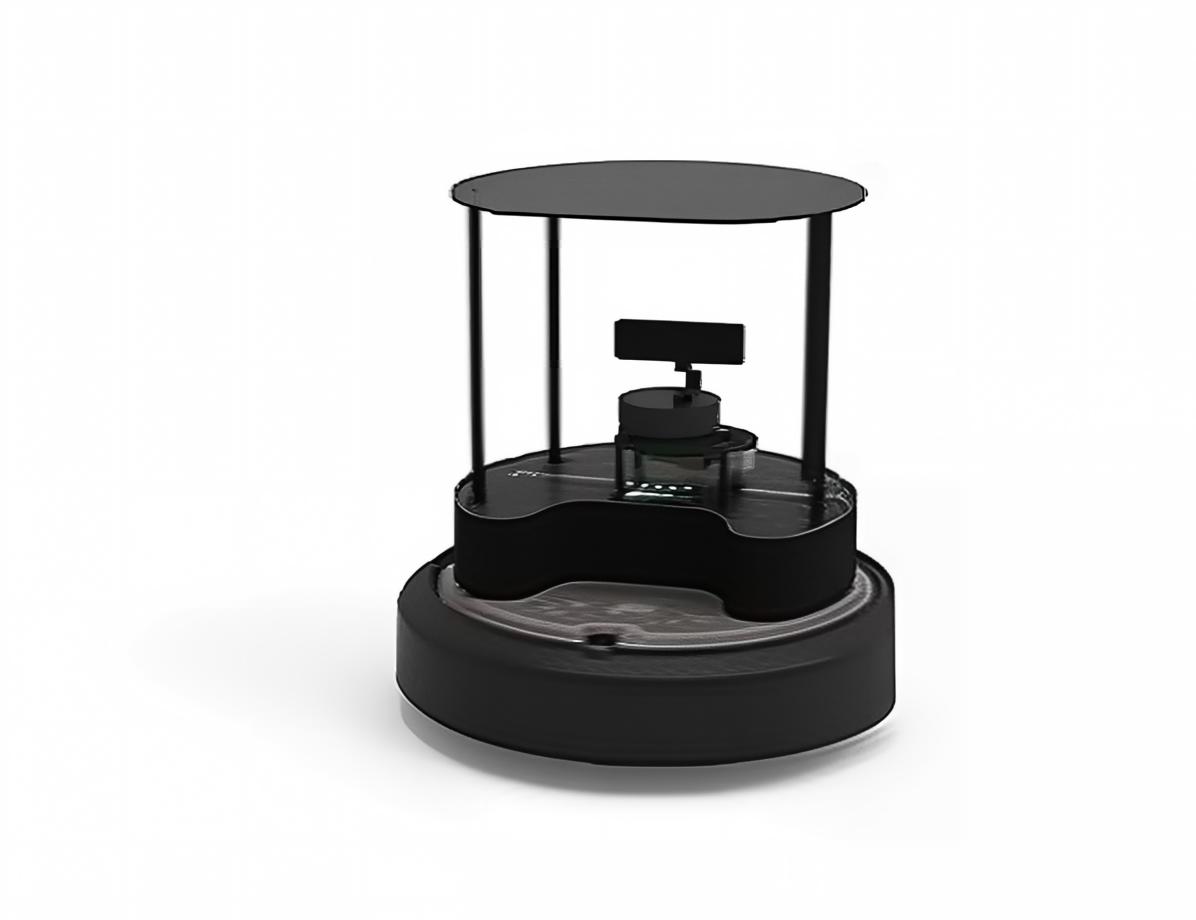
Four platforms span protocol-level wireless sensing, commercial WiFi feedback, 3D point clouds, and mobile-scene validation, forming a multimodal pipeline from channel perturbations to spatial motion.
01
Uses Intel 5300 WiFi cards to capture subcarrier amplitude and phase data for analyzing fine-grained channel changes caused by human activity.
02
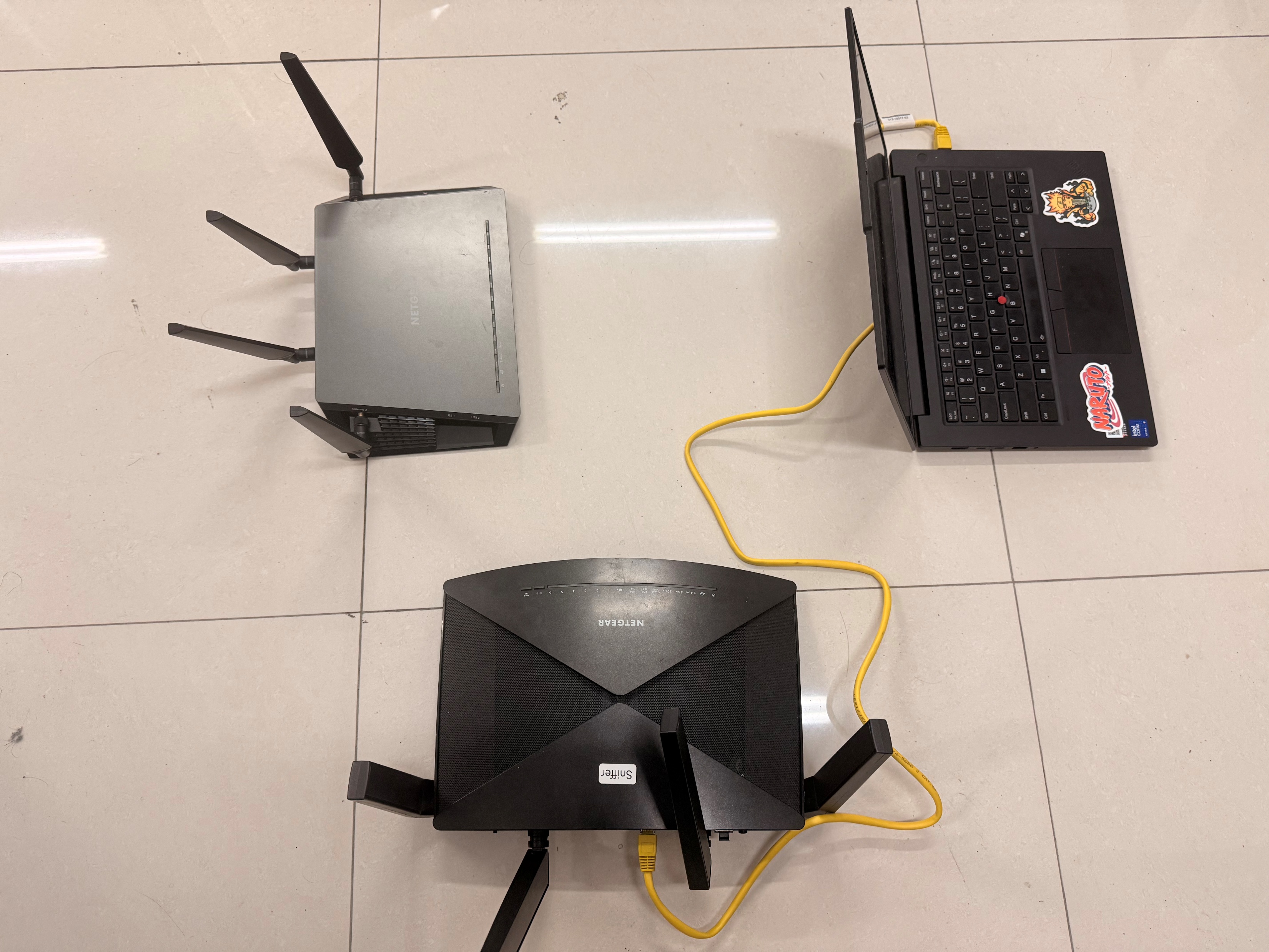
Coordinates transmitters, receiving nodes, and sniffing devices to capture BFI packets generated during commercial WiFi communication.
03
Uses a TI AWR1843 77 GHz radar to produce 3D point clouds for chest micro-motion, posture, and gait sensing.
04
Carries LiDAR, depth cameras, and other sensors to validate multisensor fusion algorithms in dynamic environments.
05 / Team Members
Selected members are shown here. Visit the team page for the full list.

Master Student
Master Student

Master Student

Master Student
Undergraduate Student

Undergraduate Student

Undergraduate Student

Undergraduate Student
06 / Join Us
Recruitment tasks are being prepared — stay tuned
The group welcomes undergraduate students interested in multimodal intelligent communication and sensing. Detailed topics and application requirements are available on the recruitment page.